Japan’s power market is on the cusp of significant transformation. Starting in April 2026, the balancing market will undergo structural reforms aimed at improving liquidity and operational efficiency. These changes will ripple through the entire electricity trading ecosystem, impacting all stakeholders such as generators, retailers, and aggregators alike.
Author
Fumi Kumagai
Published
Dec 16, 2025

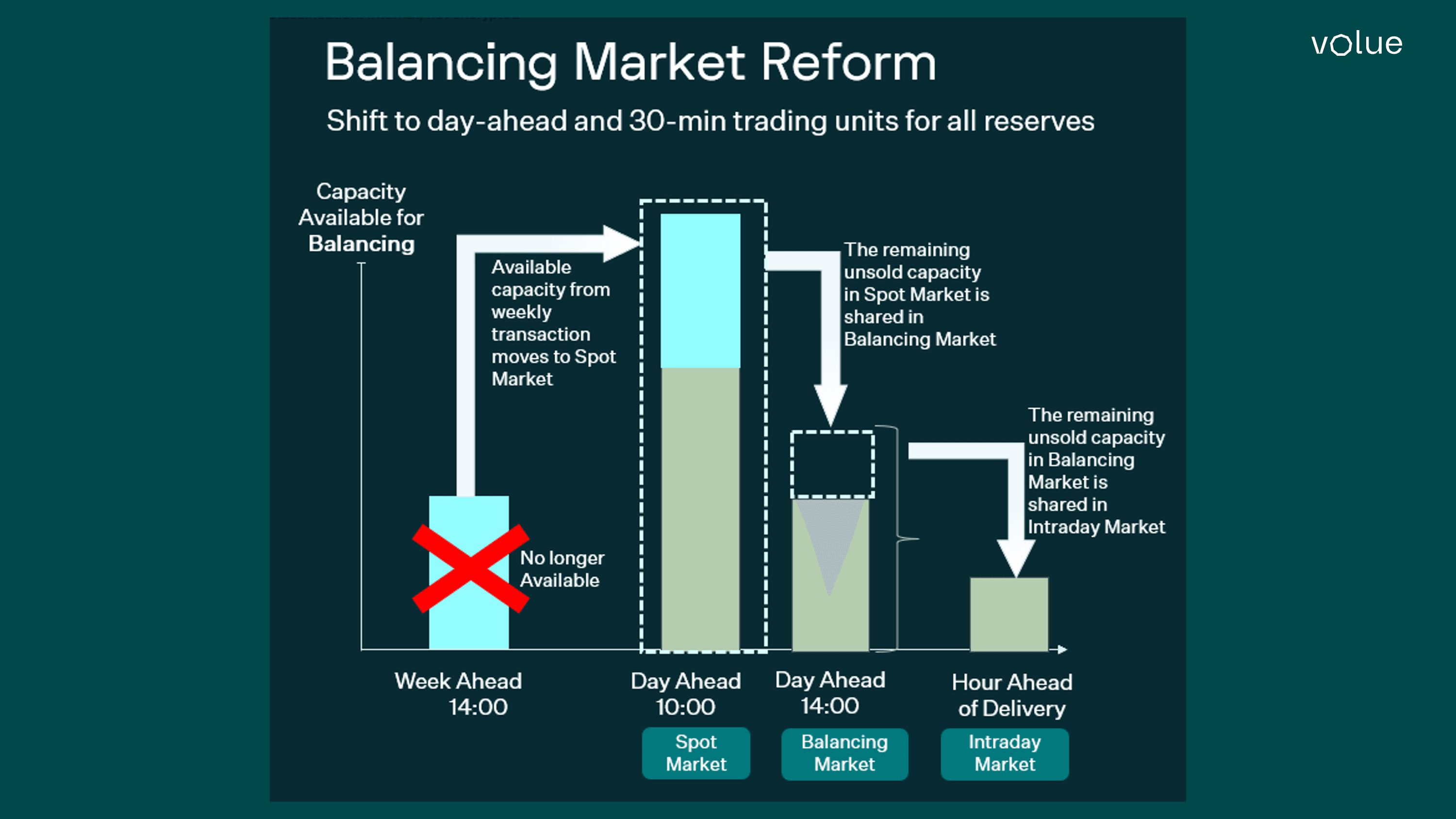
Shift to shorter trading horizons: All balancing products, previously traded on a weekly basis, will move to day-ahead procurement with 30-minute market unit. This aligns with European-style ancillary service markets and enhances flexibility for market participants.
Expanded participation: Low-voltage resources such as household batteries and EVs will be allowed to join the market, provided device-level measurement is in place. This opens the door for distributed energy resources to play a bigger role in grid stability.
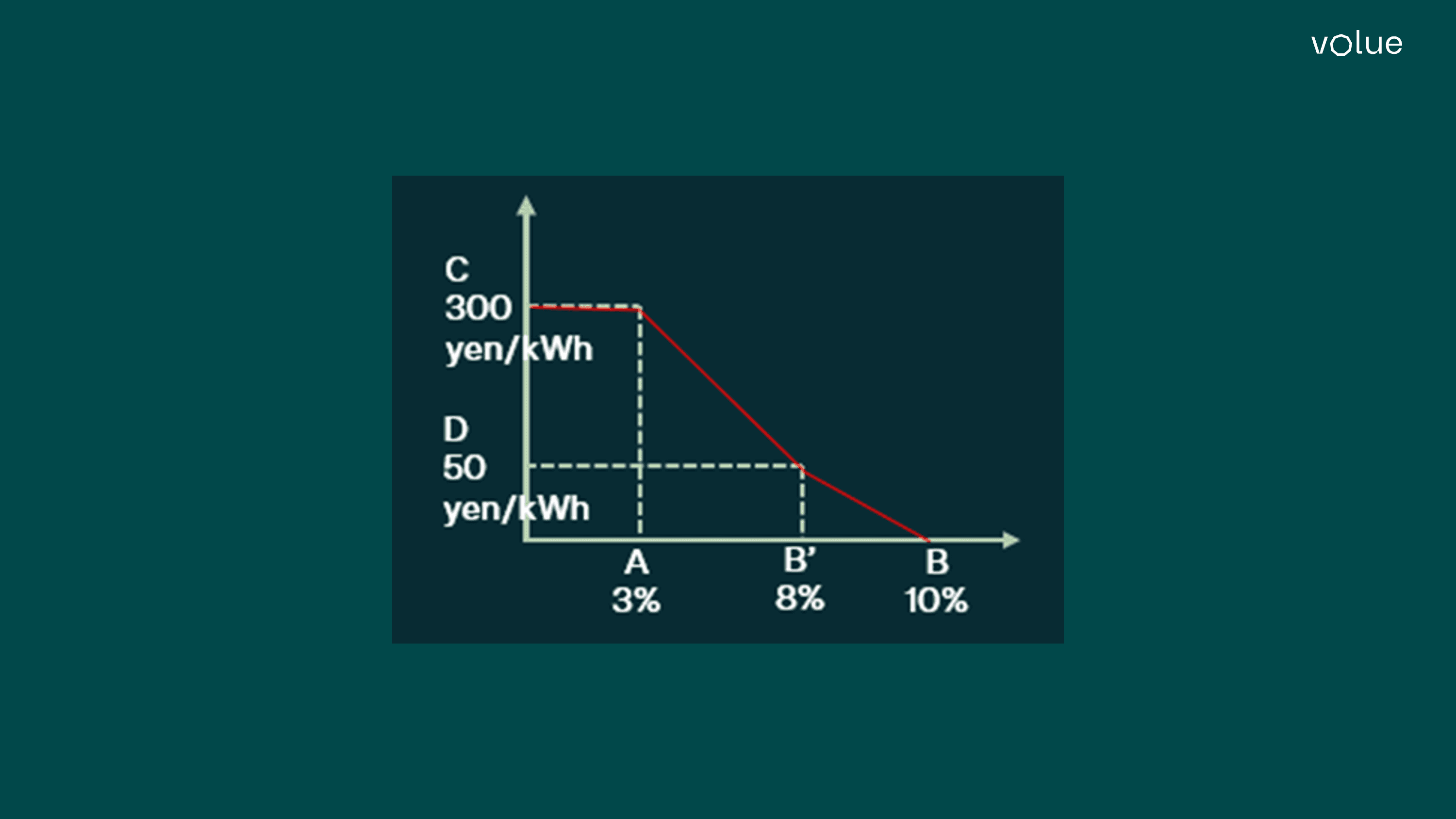
Price cap adjustments: METI plans to lower the price cap for combined products to JPY 7.21 (ΔkW/30 mins), down from JPY 19.51(ΔkW/30 mins). While intended to curb excessive settlement costs, this could discourage participation if spot prices remain high, raising concerns about liquidity and potential withholding strategies.

Imbalance price cap increase starting from FY2026

In addition to the anticipated reform in the balancing market system, JEPX will publish intraday bid information grouped into five regional zones:
This five-zone approach strikes a balance between transparency and confidentiality, mitigating risks of exposing short-run marginal costs (SRMC) while giving market players better visibility for imbalance management.
According to JEPX’s latest release, published on 26 November 2025, the spot and intraday trading system will fully migrate to a new API-based platform, the former in April 2026 and the latter in October 2026, eliminating the existing GUI interface. As a result, participants should prepare for:
The move to shorter intervals and day-ahead clearing will increase operational complexity, requiring more advanced forecasting and bidding strategies create opportunities for flexibility providers, with battery storage operators and EV aggregators particularly well positioned to benefit.

Access hourly and 15-minute resolution forecasts for intraday fundamentals, day-ahead prices, and cross-border exchanges. Powered by in-house weather-driven models, market data, and UMMs, our short-term analysis delivers market intelligence to support better trading decisions.
Energy Market Data & Forecasts

Our short-term model, SpotEx, forecasts cross-border power flows and prices based on internal weather-driven fundamentals and market data. Updated continuously, 24/7, at 15-minute resolution with a horizon of up to 90 days, it provides comprehensive analysis and visualisation of alternative weather scenarios.
Energy Market Data & Forecasts